
The school follows China's national compulsory-education curriculum while drawing on leading international frameworks such as the US Common Core State Standards (CCSS) and the Next Generation Science Standards (NGSS), independently developing its distinctive KIC bilingual curriculum — teaching every student through comprehensive tiering and whole-person education.
The Middle School curriculum at Beijing Haidian Kaiwen Academy centers on personal growth and all-round development, combining Chinese and Western educational approaches to strengthen academic abilities, broaden thinking, and develop individual interests. The school has developed its own bilingual curriculum that follows China’s National Compulsory Education Standards while drawing on international frameworks, including the U.S. Common Core State Standards (CCSS) and Next Generation Science Standards (NGSS).
Beijing Haidian Kaiwen Academy also places particular emphasis on enrichment and leadership development. More than 60 elective courses and a range of academic competition clubs span languages, economics, technology, and other fields, supporting students’ development within a diverse learning environment. Outdoor education and distinctive learning activities offer further opportunities for self-discovery, helping students achieve meaningful growth in their studies and everyday lives.

Chinese and English courses strengthen expression and creativity. Mathematics, social studies and science build critical thinking, logical reasoning and practical application. Arts, music and computer science provide skills training and cultural enrichment.
The Chinese Language Arts curriculum at Beijing Haidian Kaiwen Academy follows China’s national compulsory education standards and uses Ministry of Education–compiled textbooks, while incorporating leading approaches from international curricula. It develops students’ listening, speaking, reading, and writing skills. Centered on the essential purposes of language and literature education, the curriculum builds strong foundational knowledge while emphasizing independent thought, individual expression, and creativity. Through opening presentations, collaborative group work, project-based inquiry, debates, and writing competitions, students engage in a learning environment rich in Chinese cultural traditions. These experiences deepen their appreciation of Chinese heritage while systematically developing their thinking, communication, literary appreciation, and creative writing skills.
The English Language Arts curriculum at Beijing Haidian Kaiwen Academy follows the U.S. Common Core State Standards (CCSS), with ongoing monitoring of students’ English proficiency to support strong performance in IELTS and TOEFL examinations. Through integrated listening, speaking, reading, and writing, students explore novels, short stories, literary nonfiction, poetry, drama, and narrative poetry. Teachers guide students through critical and constructive thinking, discussion, and research projects to deepen their understanding of literary elements and techniques. These experiences strengthen logical expression and reasoned argument, aligning learning with international middle school academic standards.
The school also offers the Accelerated Reader (AR) program, using a structured, leveled reading platform to introduce students to a wide range of books at different levels of complexity. Students are placed in Standard or Honors classes according to their reading proficiency. Reading assessments take place each quarter, and class placements are adjusted in response to the results, ensuring that students receive appropriate support and challenge as they develop essential skills and progress academically.
The ESL curriculum at Beijing Haidian Kaiwen Academy combines an immersive language learning environment with differentiated instruction in vocabulary, grammar, critical reading, and integrated writing. It develops the skills required for standardized assessments, helping students prepare for examinations such as TOEFL, IELTS, and the SAT. The curriculum comprises two core modules. The foundational grammar module uses English Grammar in Use as its framework, building a secure grammatical foundation through systematic instruction. The integrated reading module is planned collaboratively with English Language Arts (ELA) teachers, aligning content, pacing, and assessment to create a coherent progression from foundational language skills to academic expression. Beyond the classroom, voice-dubbing and public speaking competitions are open to all students, developing spoken English through imitation and performance. Additional support through the After-School Activities (ASA) program helps new students and those with weaker English foundations consolidate and extend their language skills. Students ready for further challenges are encouraged to participate in international competitions such as LCELC and TeenEagle, strengthening their English proficiency while earning internationally recognized achievements and certificates.
The mathematics curriculum at Beijing Haidian Kaiwen Academy follows China’s national compulsory education standards and integrates international curriculum resources to provide a coherent progression from Grade 6 through Grade 12, with differentiated instruction at each stage. Alongside mastery of mathematical knowledge and concepts, the curriculum develops mathematical thinking and practical application. An emphasis on higher-order thinking strengthens students’ ability to solve complex problems.
The Integrated Science curriculum at Beijing Haidian Kaiwen Academy follows the Next Generation Science Standards (NGSS) aligned with China’s National Compulsory Education Standards, developing scientific knowledge alongside a global perspective. The curriculum covers four core fields: physics, chemistry, biology, and geology. Teaching is organized around three dimensions: disciplinary core ideas, science and engineering practices, and crosscutting concepts. This approach builds a systematic understanding of science while engaging students in sustained scientific inquiry and engineering practice, laying a strong foundation for deeper learning throughout middle and high school and future pursuits in STEM—science, technology, engineering, and mathematics.
Beyond regular lessons, events such as the Science Fair provide opportunities for students to investigate scientific questions and present their work. Students apply scientific knowledge and research methods to independently design and carry out experiments or engineering projects, developing innovative thinking, problem-solving, collaboration, and communication skills. At the end of the semester, students have opportunities to share their findings and receive recognition for their work, encouraging further curiosity and exploration.
The Chinese-taught humanities and social sciences curriculum at Beijing Haidian Kaiwen Academy uses nationally compiled textbooks and responds to social change and contemporary needs, with an emphasis on analytical reasoning and critical inquiry. Grounded in core values, the curriculum broadens students’ perspectives and lays a foundation for critical thinking. Subjects include Morality and the Rule of Law, Chinese History, and Geography. Project-based tasks incorporate elements of academic competition, helping students synthesize knowledge, communicate academic ideas, and think across disciplines through meaningful research, presentation, and problem-solving.
Students also examine significant historical periods and events and investigate specific historical questions in depth. This develops rigorous historical analysis skills and prepares them for AP or A Level study in high school.
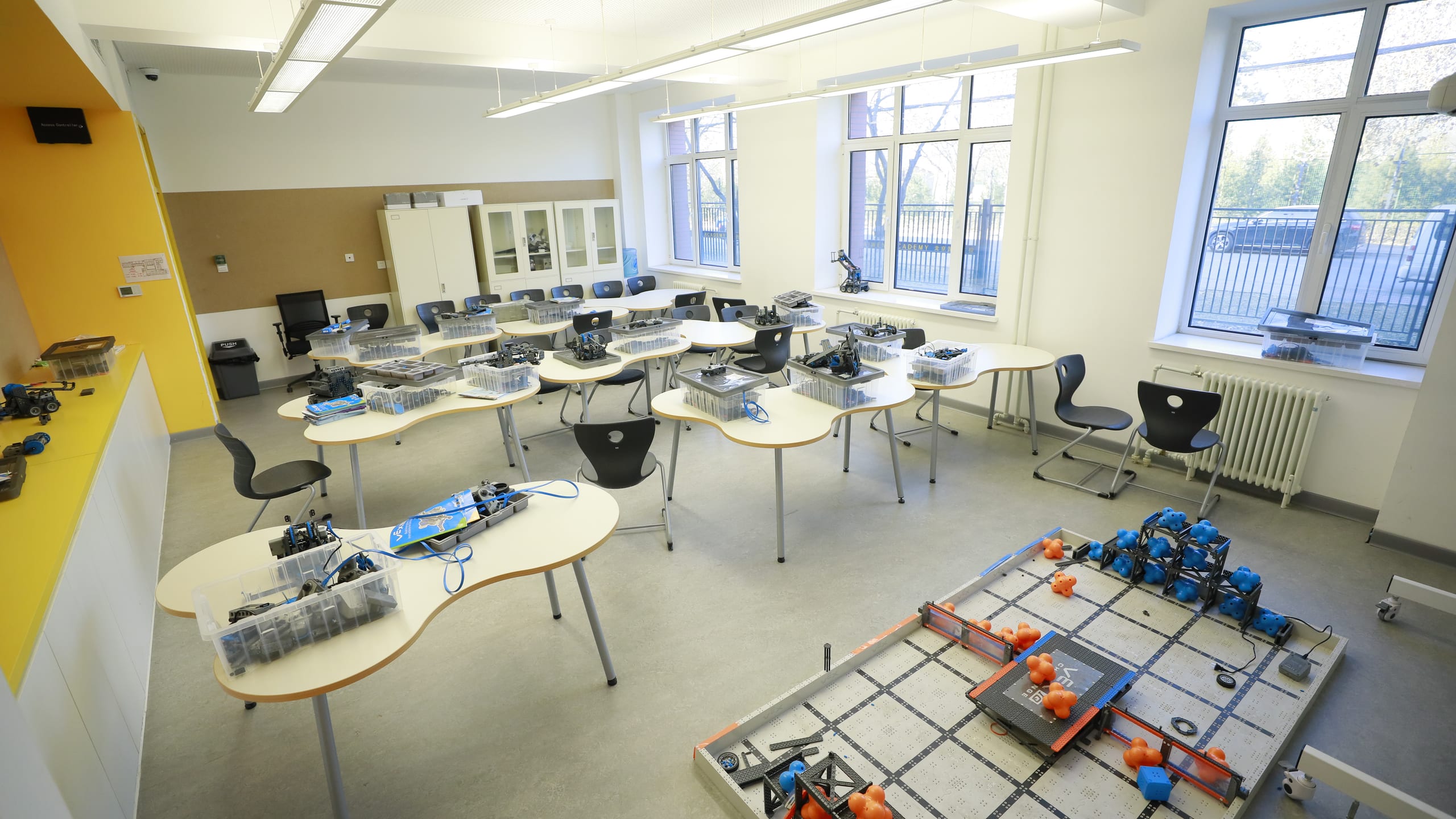
The Computer Science curriculum at Beijing Haidian Kaiwen Academy is based on China’s 2022 national information technology curriculum standards and the U.S. CSTA K–12 Computer Science Standards, with reference to Cambridge IGCSE ICT. It develops the knowledge and skills students need to use computers and computational thinking to solve everyday problems. The curriculum covers four areas: information systems, computer systems, programming, and artificial intelligence. Through direct instruction and project-based learning, students explore information networks and AI applications, strengthen their digital literacy, and learn about information security, information processing, and responsible information use. They develop skills in creating, processing, and analyzing information through Microsoft Office, programming, and appropriate uses of AI, preparing them for AP or A Level computing courses in high school. Beyond regular lessons, the interdisciplinary STEAM Festival and After-School Activities (ASA)—including programming competitions, NSL racing, VEX robotics, and informatics competitions—provide opportunities to engage with emerging technologies, solve complex problems across disciplines, and explore creative collaboration with AI.
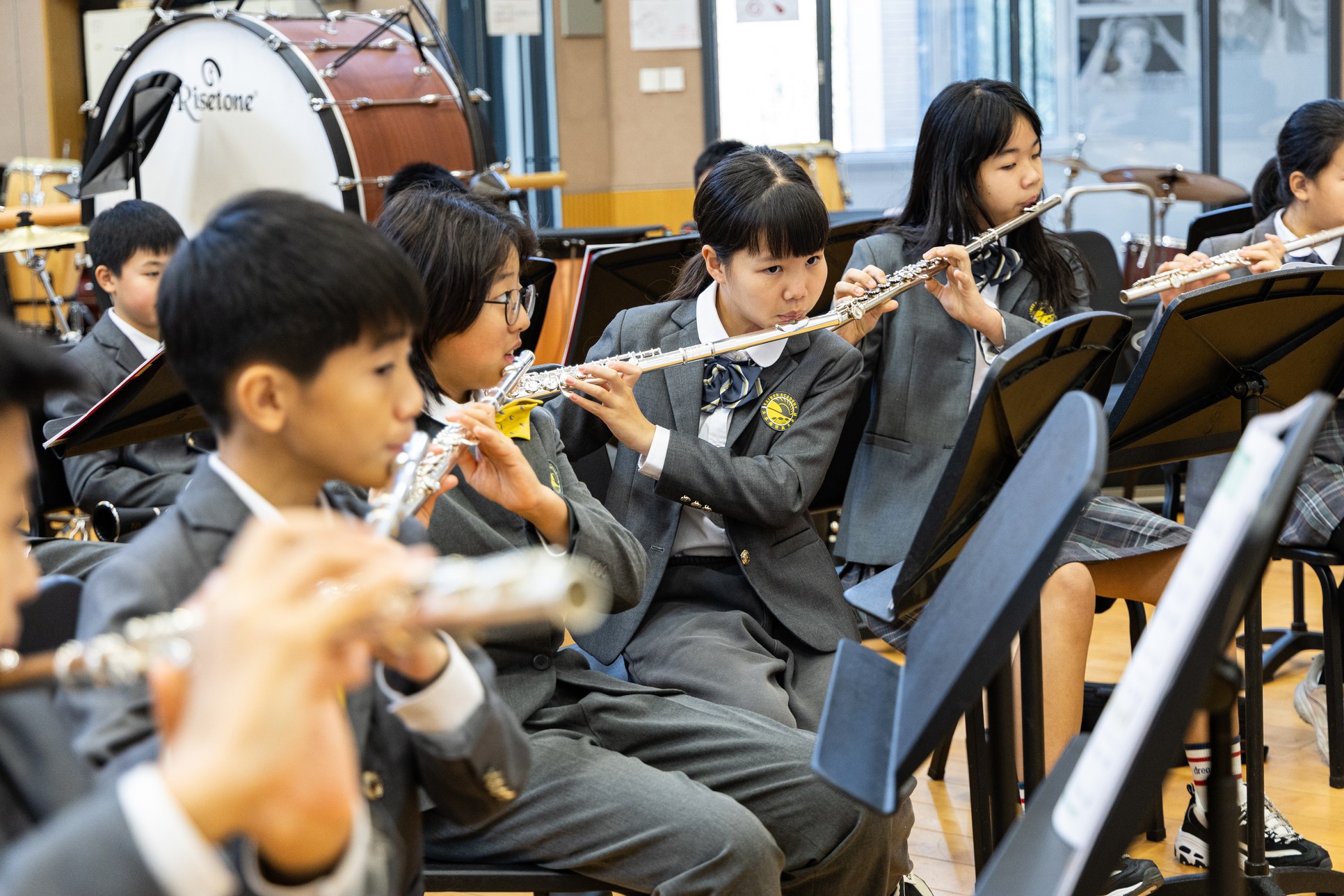
The music curriculum at Beijing Haidian Kaiwen Academy offers courses in piano, band, strings, choir, and general music education. Students select their courses at the beginning of the academic year. To accommodate different levels of musical experience, each specialist course provides foundational instruction, advanced development, and focused preparation for concert performances. Beyond regular lessons, students can join the school choir, musical theater group, orchestra, piano ensemble, and Chinese instrumental ensemble. These groups deepen students’ musical understanding, broaden their perspectives, enrich their extracurricular lives, and provide a wide range of performance opportunities.
Beijing Haidian Kaiwen Academy offers a broad visual arts curriculum covering art history, studio practice, mixed-media experimentation, specialist techniques, and portfolio preparation. Students explore significant works from art history, encounter diverse approaches to art-making, and receive guidance as they undertake challenging creative projects. Lessons build foundational artistic skills while developing creative expression, art appreciation, and aesthetic understanding. Each year, outstanding student work may be selected for exhibitions on and off campus. Students also have opportunities to participate in volunteering and practical arts activities beyond the school.
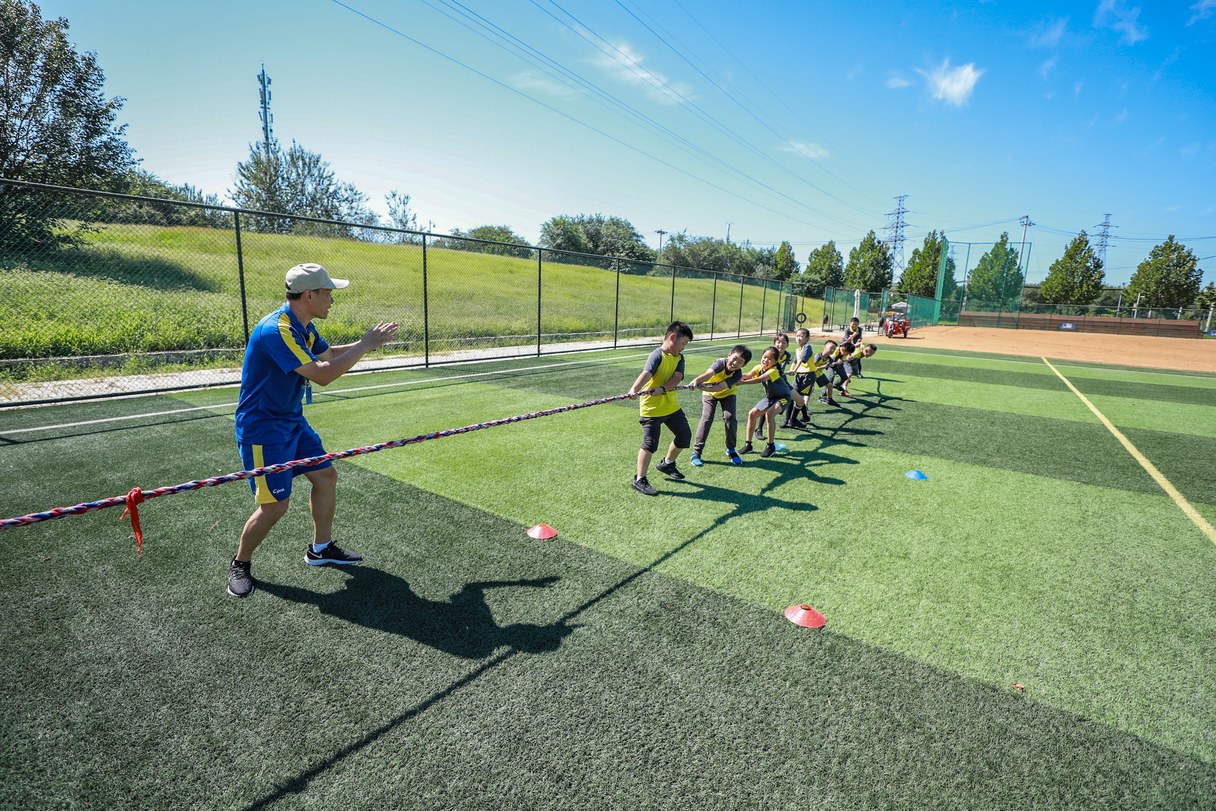
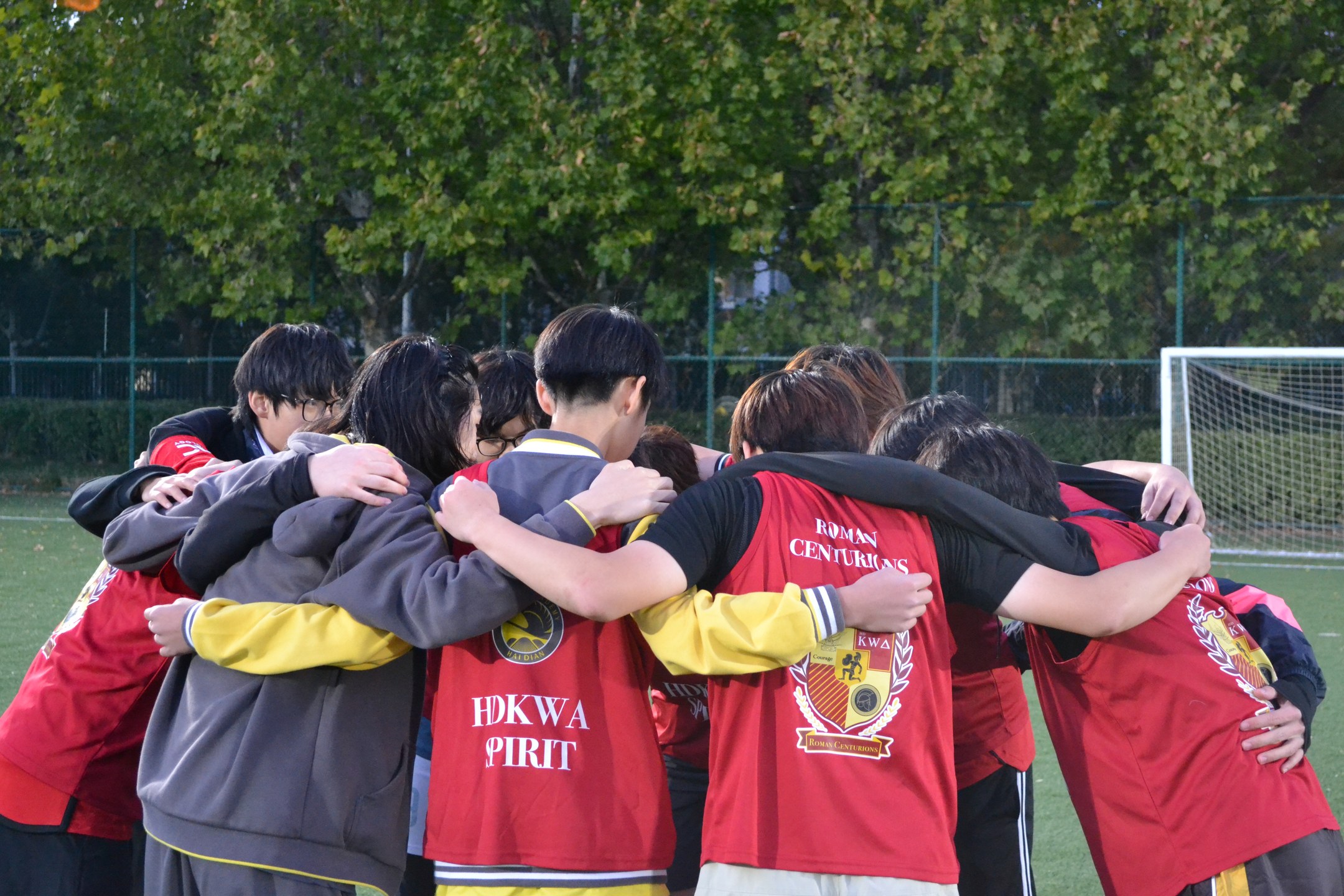
Over the three-year Middle School program at Beijing Haidian Kaiwen Academy, every student learns a range of sports and activities, including football, basketball, volleyball, table tennis, badminton, tennis, pickleball, dodgeball, handball, golf, baseball, and fitness training. As a member of the international school sports association ISAC, the school has established teams at different levels across multiple sports. A professional coaching team drawn from the PE faculty guides students in intramural and interschool competitions each semester, developing perseverance, resilience, teamwork, and the ability to respond constructively to setbacks.
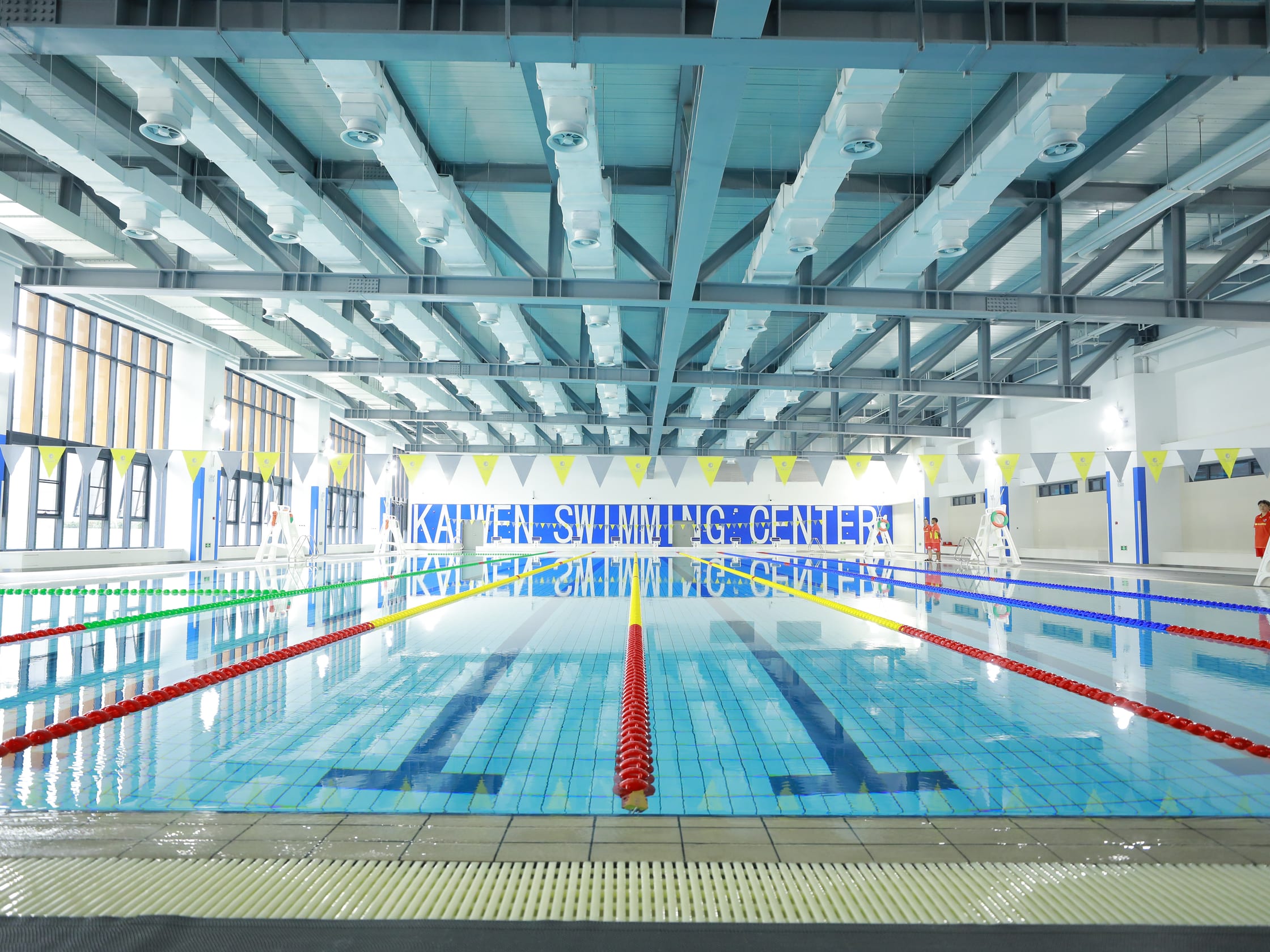
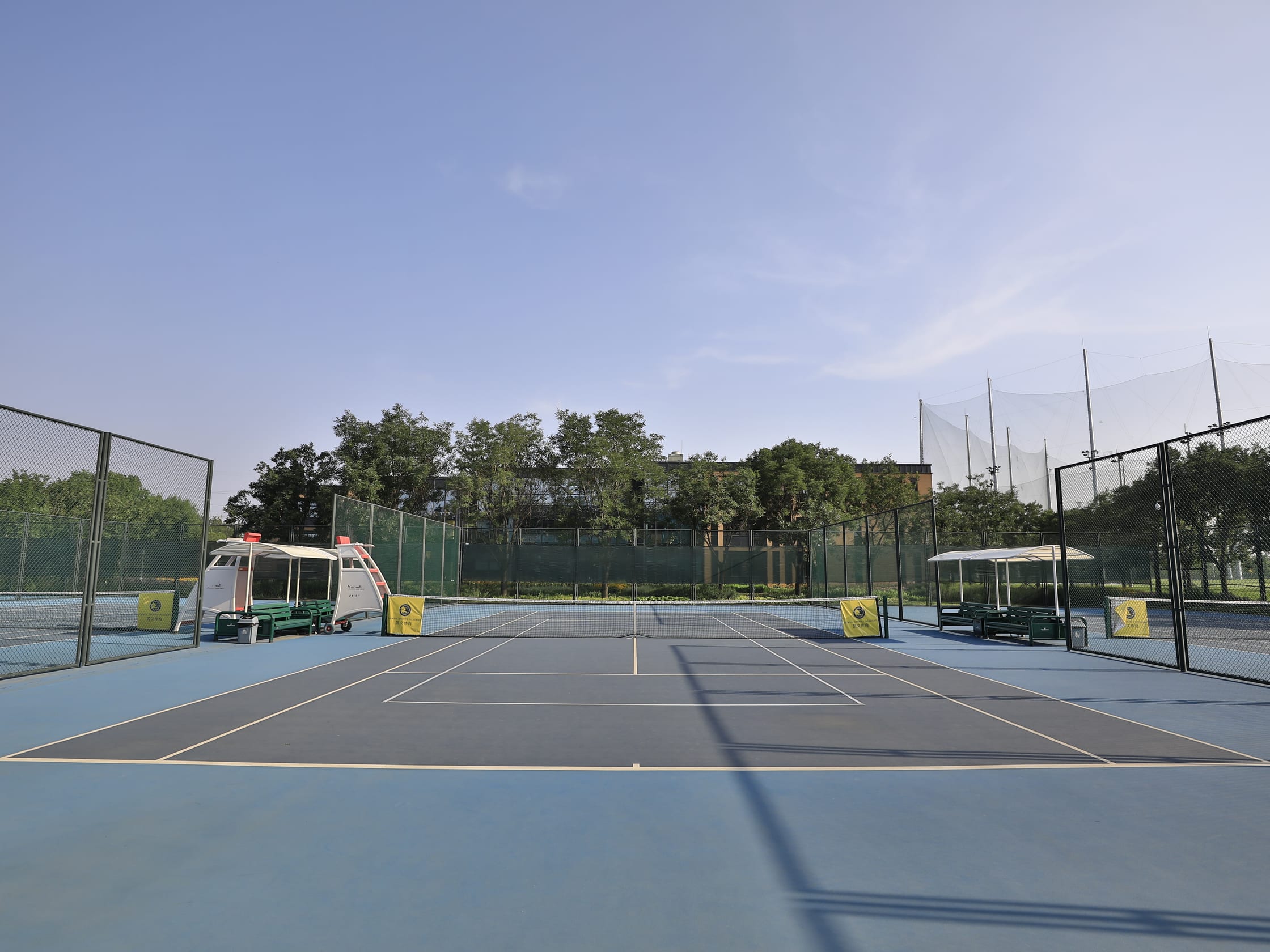
The school has world-class competition venues and teaching facilities: an IAAF Golden League-standard blue track, tennis courts built to China Open Diamond Court standards, indoor and outdoor baseball/softball fields, a 50-meter swimming pool and a golf practice range. On teaching days all venues are open to students, who may also use school facilities during daily activities and training beyond PE lessons.
Courses in visual arts, music, and computer science develop practical skills and cultural understanding. A wide range of extracurricular activities further strengthens complex problem-solving, teamwork, and artistic appreciation. Physical education introduces students to a broad selection of sports, building fitness and psychological resilience. School teams across multiple disciplines provide opportunities to develop competitive skills and represent the school.
The Grade 6 Crochet course at Beijing Haidian Kaiwen Academy brings together creativity, art, and practical skills. Students learn basic crochet stitches and techniques while experiencing the value of concentration and collaboration. The course covers line exercises, color combinations, form and design, the completion of individual pieces, and their assembly into a collective work. Over eight weeks, students progressively develop their skills, culminating in a shared public artwork for the campus. Crochet strengthens fine motor skills, hand–eye coordination, and problem-solving while developing patience, creativity, and teamwork. As individual contributions become a shared creation, students experience the enjoyment of art-making and pride in collective achievement.
The Grade 6 Ceramics course combines creativity and practical learning to develop foundational knowledge and skills in ceramics. Students learn to select and prepare clay, use traditional hand-building and wheel-throwing techniques, decorate and carve surfaces, apply glazes, and understand the basic principles of firing. Through study and practice, they explore the historical and cultural contexts of ceramics while developing aesthetic judgment and hands-on creativity. The course emphasizes patience and careful work, strengthening concentration and problem-solving. Creating ceramic pieces also deepens students’ understanding of materials, form, and space.
The Grade 7 Woodworking course combines theory with creative practice. It covers woodworking fundamentals, the use of common tools, structural forms and principles, methods for realizing design ideas, associated cultural traditions, and safe working practices. Students learn to assess an object’s intended use, develop designs, select and process materials, construct wooden forms, and finish surfaces. Alongside these skills, they deepen their understanding of the traditional culture embodied in woodworking. The course strengthens planning and process management, develops patience and concentration, and encourages mutual support, effective communication, and shared responsibility within a team.
The Grade 8 Metalworking course combines creative design with practical craftsmanship to develop foundational knowledge and skills in working with metal. Topics include metal types and properties; the use of common tools; cutting, sawing, filing, and sanding techniques; design and production processes; and safe working procedures. Through practical projects, students develop skills in designing metal objects, constructing structures, and finishing surfaces, experiencing the complete process from concept to finished piece. The course strengthens practical skills and creative expression while cultivating patience through precise work, deepening understanding of materials, and developing problem-solving and teamwork.
Students at Beijing Haidian Kaiwen Academy extend their learning beyond the classroom through a wide range of outdoor and practical activities. Annual military-style training for Grade 6 students builds physical fitness, determination, and teamwork. The school also organizes off-campus experiences tailored to students’ developmental needs, including visits to the National Speed Skating Oval and the Alpha Adventure Base at Wenyu River. These activities invite students to explore different real-world settings, developing collaboration, communication, and problem-solving skills through hands-on experience while broadening their perspectives and supporting well-rounded growth. Middle School students also plant seasonal vegetables and plants in our Experimental Garden, following the process from preparing the soil, planting, raising, and harveting.
The Middle School of Beijing Haidian Kaiwen Academy encourages students to explore and develop their individual strengths and interests as a foundation for broader personal growth. The Middle School offers six categories of after-school activities: academic support, competition support, sports and varsity teams, student-led clubs, music ensembles, and interest-based enrichment. This diverse range of opportunities allows students to choose activities that reflect their interests while developing a well-rounded range of skills and personal qualities.
Academic support at Beijing Haidian Kaiwen Academy helps students consolidate subject knowledge and strengthen learning skills, with provision tailored to different levels of academic readiness. Options include:
Beijing Haidian Kaiwen Academy provides competition support to help students develop and showcase their academic abilities and teamwork. Through competitions in China and internationally, students strengthen creative thinking, build confidence, and develop a sense of responsibility. Opportunities include:
Mathematics Competitions: International competitions such as AMC 8, AMC 10, and the Berkeley mini Math Tournament (BmMT) develop logical reasoning and support further achievement in mathematics.
Science Competitions (Science Bee, Brain Bee Junior): Students apply classroom knowledge to practical scientific exploration, strengthening research skills and innovative thinking.
Programming Competitions (Codeforces, VEX VRC Robotics, WRC, and AI Innovation Challenges): Programming, robotics, and artificial intelligence competitions develop coding skills, robotics engineering capabilities, and innovative thinking.
Informatics Competitions (Olympiad in Informatics, CSP-J/S, NOI, NOAI): Experienced informatics coaches in China provide systematic instruction in programming languages, algorithmic reasoning, and competition problem-solving.
Language and Critical Thinking Activities (MUN, YPSC, TYC, ALL, HIPPO): Model United Nations, public speaking, and language competitions develop listening, speaking, reading, and writing skills alongside public speaking and critical thinking.
Multidisciplinary Academic Competitions: Students participate in global academic competitions spanning multiple subjects, including CNAP Academic Pentathlon.
Project-Based Competitions: Options include engineering design competitions such as National STEM League (NSL) racing and interdisciplinary research competitions such as CTB Junior.
Youth Innovation and Invention Challenges: Students receive guidance in designing scientific and technological inventions, with opportunities to enter youth innovation competitions, the World Olympiad for Talented Youth, ISEF, and related events.
Business Competitions: Through Mercury Business School at Beijing Haidian Kaiwen Academy, students form teams to participate in business challenges, developing business insight, analytical skills, and teamwork.
Art Competitions: Teachers guide students in participating in exhibitions and competitions in China and internationally, including the Louvre Contemporary Art Exhibition and the World Cup Painting Competition.
ASA sports courses and school teams build fitness, teamwork and perseverance. Students choose different sports or, after selection, join school teams to compete in inter-school and regional competitions: racket sports, team ball sports, swimming, track and field, and golf. Apart from golf and baseball, all ASA sports train in school-team format.
Music ensembles at Beijing Haidian Kaiwen Academy offer advanced rehearsal and performance opportunities for students with musical talent. Admission is by audition. Ensembles include:
ASA student societies are founded by students themselves, giving them a platform to plan and organise activities independently and to grow in practical and social ability: the Middle School Student Council, the Speech and Debate Club and others.
Beyond academic support and competitions, Beijing Haidian Kaiwen Academy offers a diverse range of cultural and practical enrichment activities that broaden students’ perspectives, deepen intercultural understanding, and develop practical skills. Options include:
Literature and Writing: Reading Club, Journalism Club, Literary Club, Film and Literature, and Photography and Creative Writing develop written expression and understanding of the humanities.
Visual Arts, Music, and Performance: Sand Art, Visual Journaling and Sketching Club, Comic Art, Fashion Design, Visual Arts: Character Design and Animation, Modern Dance Club, Popular Singing, Chinese Drama Club, and Modeling and Posture develop aesthetic appreciation, confidence, and expression through creative work and performance.
Traditional Culture: Tea Arts, Peking Opera, Beijing’s Central Axis: Architectural Model-Making, and Exploring Chinese Culture through Handcrafts introduce students to Chinese cultural traditions, strengthening their sense of cultural identity and commitment to preserving this heritage.
Chess and Strategy Games: Chinese Chess, Chess, Go, and Kahoot Challenge Club develop logical thinking, concentration, and quick responses through strategic play and interactive quizzes.
Programming and Game Design: Godot Game Development, AI Programming for Game Strategy and Decision-Making, and Game Planning and Development build computational thinking, creativity, and teamwork.
Hands-On Science: Environmental Creativity and Gardening Club encourage students to explore science through practical activities, developing environmental awareness and a spirit of inquiry.
Languages: Courses in Japanese, French, Spanish, and other languages develop multilingual skills and support international communication.
Character education at Beijing Haidian Kaiwen Academy addresses six areas: patriotism; aspirations and resilience; interpersonal relationships; laws and rules; environmental responsibility; and mental health. Weekly themed class meetings explore topics such as “Understanding Ourselves and Growing with Joy.” Themes are tailored to the developmental needs of each grade, supporting students’ physical and psychological wellbeing alongside their ethical development. School counselors regularly lead mental health talks and related activities, while invited experts and academics deliver sessions on topics such as “Managing Stress During Adolescence.”
Book a one-on-one consultation — our admissions team is happy to help.